Top Universities in Mumbai for International Students (2026 Guide)
Mumbai is a popular destination for international students. IIT Bombay, NMIMS, TISS, ICT, and the University of Mumbai all serve different students and careers. Here's how to choose the right one, what it costs, and how to actually get in.

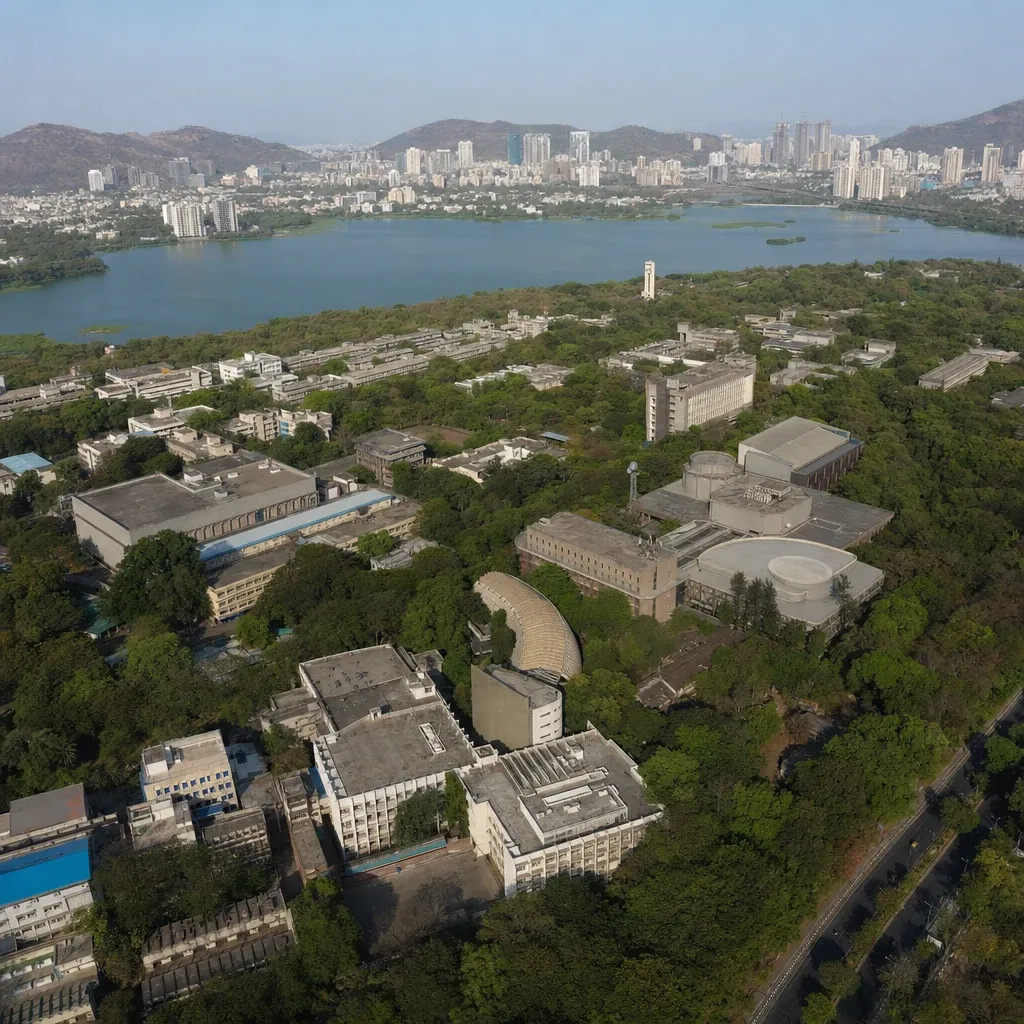
Mumbai is one of the most popular cities among international students in India. It has an ecosystem consisting of IIT Bombay for engineering and research, the University of Mumbai spanning arts, commerce, and law across dozens of affiliated colleges, JBIMS for management, TISS for social sciences and ICT for chemical technology. Each of them is built for a different kind of student, serving a different kind of career.
That variety is the best and most confusing thing about studying here. A prospective student searching for "top universities in Mumbai" gets a list that looks roughly equivalent on the surface. But the right choice depends entirely on your programme, your budget, and what you want to do when you leave. This guide breaks down the institutions worth your attention, what they actually cost, how to apply, and what the experience looks like once you arrive.
Best Universities in Mumbai for International Students
Before the fees and rankings, here's the honest version of what each institution does well, and who it's built for:
IIT Bombay
IIT Bombay sits at #4 in NIRF 2024 overall, #3 in engineering, and #118 globally in QS. It holds an A++ NAAC grade and if your focus is engineering, technology, or natural sciences, this is the standard-setter.
Core programmes at IIT Bombay include B.Tech and M.Tech in Computer Science, Electrical Engineering, and Mechanical Engineering, all taught in English. Annual tuition for international students runs approximately USD 2,000–4,000 for B.Tech, with total four-year programme costs in the ₹6–14 lakh range.
When talking about placements, in 2024–25, they were strong: 81.79% of B.Tech graduates placed, with an average package of ₹26.45 LPA and a median of ₹20 LPA. Computer Science specifically hit 92% placement at a median of ₹28 LPA. The Powai campus functions almost as a self-contained town, which keeps students from having to budget for accommodation in more expensive parts of the city.
University of Mumbai
Founded in 1857, NAAC A++ accredited, and ranked 101–150 in NIRF 2024, the University of Mumbai is less a single institution than a network. It affiliates hundreds of colleges across Maharashtra, covering business, humanities, sciences, law, technology, and healthcare.
For international students, this is usually the most affordable entry point. MBA applicants need a recognised bachelor's degree with at least 60% aggregate. B.Tech/Engineering runs four years, Law and Architecture five, MBBS 5.5 years. So, if you're applying through the University of Mumbai umbrella, do the research on the specific college, not just the university name.
NMIMS
NMIMS is a leading private deemed university, regularly ranked just below the IIMs for management and MBA programmes. It spans engineering, pharmacy, law, and business, but management is where its reputation sits.
The full MBA runs ₹20–30 lakh for the complete programme, excluding hostel, visa, and travel. Graduates typically see packages of ₹15–28 LPA, with top finance roles reaching ₹50–70 lakh.
Tata Institute of Social Sciences (TISS)
TISS is India's most respected institution for social work, development studies, human resource management, and public policy. It's a different kind of place from the others on this list as the emphasis is on fieldwork, community engagement, and applied research rather than corporate placement.
Its strength shows most clearly in the NGO, CSR, development, and public policy sectors. Graduates occupy important roles in international organisations and research institutions. For international students, TISS provides FRRO registration support and has a 15% supernumerary intake for foreign nationals.
St. Xavier's College and ICT Mumbai
St. Xavier's is an autonomous liberal arts and science college with an A+ NAAC grade and independent status since 2010. It ranks consistently among the top arts and science colleges in NIRF and suits students whose focus is humanities, pure sciences, or commerce at the undergraduate level.
The Institute of Chemical Technology (ICT Mumbai), formerly known as UDCT, is the stronger research-oriented option. It holds an A++ NAAC grade and appears in both the NIRF University and Pharmacy rankings. Core programmes include B.Chem., B.Tech in Food Technology, and postgraduate research in chemical engineering, polymer science, and pharmaceutical technology. Lab fees add roughly ₹20,000–40,000/year on top of the base tuition. ICT draws exchange and research students from Africa and Southeast Asia through bilateral agreements, and the international community there is small but growing.
For either institution, verify current enrolment figures and international intake numbers directly with their respective international relations offices.
Here's a quick reference for comparing all six:
| University | Standout strength | NIRF 2024 rank | Int'l intake / support | |||||||||||||||||||||||||||||||||||||
|---|---|---|---|---|---|---|---|---|---|---|---|---|---|---|---|---|---|---|---|---|---|---|---|---|---|---|---|---|---|---|---|---|---|---|---|---|---|---|---|---|
| IIT Bombay | Engineering & research | 4 (Overall) | 15% supernumerary | |||||||||||||||||||||||||||||||||||||
| University of Mumbai | Broad arts/commerce/engineering | 101–150 | Department-level support | |||||||||||||||||||||||||||||||||||||
| NMIMS | Management/MBA | Private deemed university | Private international desk | |||||||||||||||||||||||||||||||||||||
| TISS | Social sciences & policy | Deemed university | 15% supernumerary | |||||||||||||||||||||||||||||||||||||
| St. Xavier's College | Arts, commerce, science | NIRF College ranked | 15% supernumerary | |||||||||||||||||||||||||||||||||||||
| ICT Mumbai | Chemical technology / STEM | NIRF University ranked | 15% supernumerary | |||||||||||||||||||||||||||||||||||||
Study in IndiaWhat It Actually Costs to Study in MumbaiWith the colleges in view, the next thing we should touch upon is the cost. Tuition by Programme TypeAt public universities like the University of Mumbai, international students typically pay ₹2–5 lakh/year for engineering or science programmes. Private institutions like NMIMS and equivalents, cluster in the ₹8–15 lakh/year range for programmes like MBA. The critical difference from most Western systems is that at many Indian public universities, international students pay the same tuition as domestic students, not a premium rate. For reference across programme types:
Living Costs in MumbaiMumbai is slightly expensive when compared to other Indian cities. Monthly costs run roughly ₹27,500–53,000 depending on your lifestyle choices. Here's what that breaks down into:
Hidden Costs Worth NotingThere are also some hidden costs that most students miss out on. Beyond tuition and living: admission fees run ₹500–2,000, hostel security deposits ₹10,000–20,000, and visa plus VFS fees vary by nationality. For medical or paramedical programmes, a No Objection Certificate (NOC) from the Ministry of Health adds 2–4 weeks to your timeline and a separate application step. Lab fees at ICT and similar STEM institutions add ₹20,000–40,000/year. Application and the Visa ProcessThe application process for colleges in Mumbai is pretty simple. The S-1 student visa is entirely document-based and requires no interview. That means a complete, accurate file gets processed smoothly, and an incomplete one sits until the gap is fixed. Step 1: Get your admission letterYou need a formal acceptance from a full-time programme at an accredited institution. Financial documentation must be current, and bank statements older than three months are a common rejection point. Step 2: Medical NOC if applicableMedical and paramedical courses require an NOC from India's Ministry of Health before the visa application can proceed. Build 2–4 weeks into your timeline for this. Step 3: Apply through Indian Visa OnlineThe portal routes you to VFS Global based on your location. Processing takes 2–8 weeks depending on nationality, document completeness, and season. January intakes are typically 2–3 weeks. Visa validity is tied to course duration:
Step 4: FRRO registration within 14 days of arrivalFor any visa valid over 180 days, which covers most degree programmes, FRRO registration is mandatory within the first two weeks. It's free if done on time, and generates problems at renewal and departure if skipped. Most students find it manageable; those who've worked through it report it typically requires a couple of visits to complete in the first month. The Bottom LineMumbai's universities aren't interchangeable, and the choice between them shouldn't be made on rankings alone. IIT Bombay is the right answer for engineering students who can get through the competitive admission process. University of Mumbai is the right answer for students who want breadth and affordability. NMIMS makes sense for management-focused students who can absorb the cost and plan for the placement outcome. TISS is for a specific kind of student, one whose ambitions run toward development, policy, or HR rather than corporate placement. ICT and Xavier's fill important niches in research-heavy STEM and liberal arts, respectively. So choose the college depending on the speciality, affordability and your plan. Nonetheless, Mumbai offers a wide selection, with each college offering something extra to students. Related guides
Read moreScholarships for Nepali Students in India: The Complete 2026 Guide- Nepali students can access ICCR (ABVGSS + Sushma Swaraj Silver Jubilee), AYUSH, COMPEX and university-level scholarships: around 1,500 Government of… 
NIT vs SPPU (Pune University): Which Is Better for Nepali Students to Study Engineering? (2026)For a Nepali student set on engineering, both an NIT and Savitribai Phule Pune University (SPPU) are realistic, recognised options — which makes this a… 
IIT vs SPPU (Pune University): Which Is Better for Nepali Students to Study Engineering? (2026)Pune is often called India's "Oxford of the East" — a student city built around engineering and research. So for a Nepali student weighing an IIT against… 
Can International Students Work While Studying in India? (2026)India's student visa has no off-campus work allowance. This guide covers exactly what's permitted (internships, assistantships), what isn't, the tax and compliance risks, and how to convert to a work visa after graduation. |